Compare the architecture.
Channel count is the obvious number. Calibration system, subwoofer control, output architecture, HDMI, expansion and software philosophy are usually the more important differences.
Start with four reference points
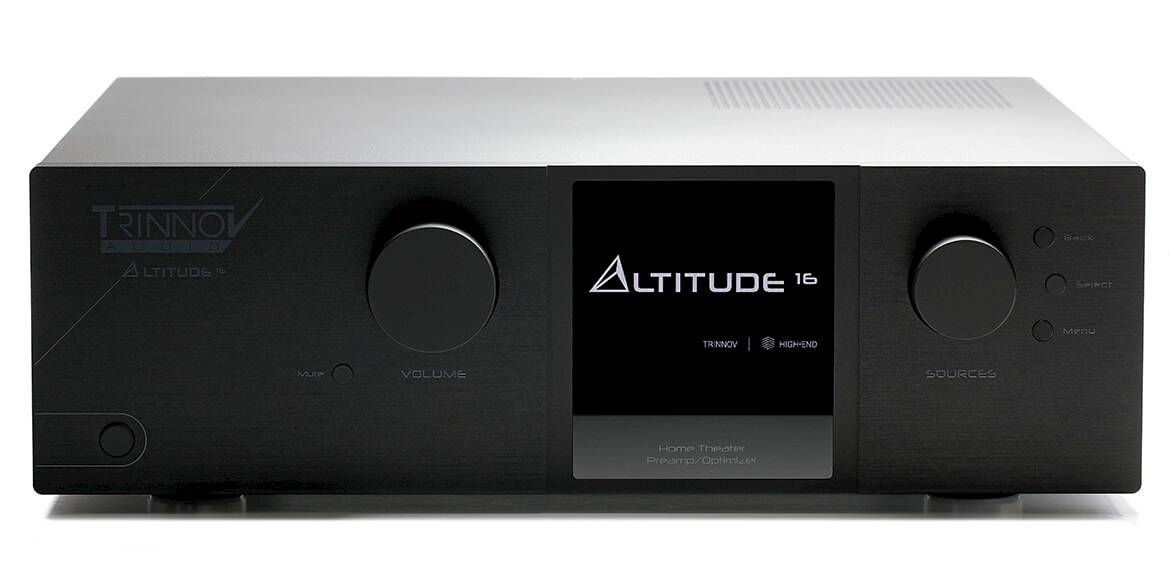
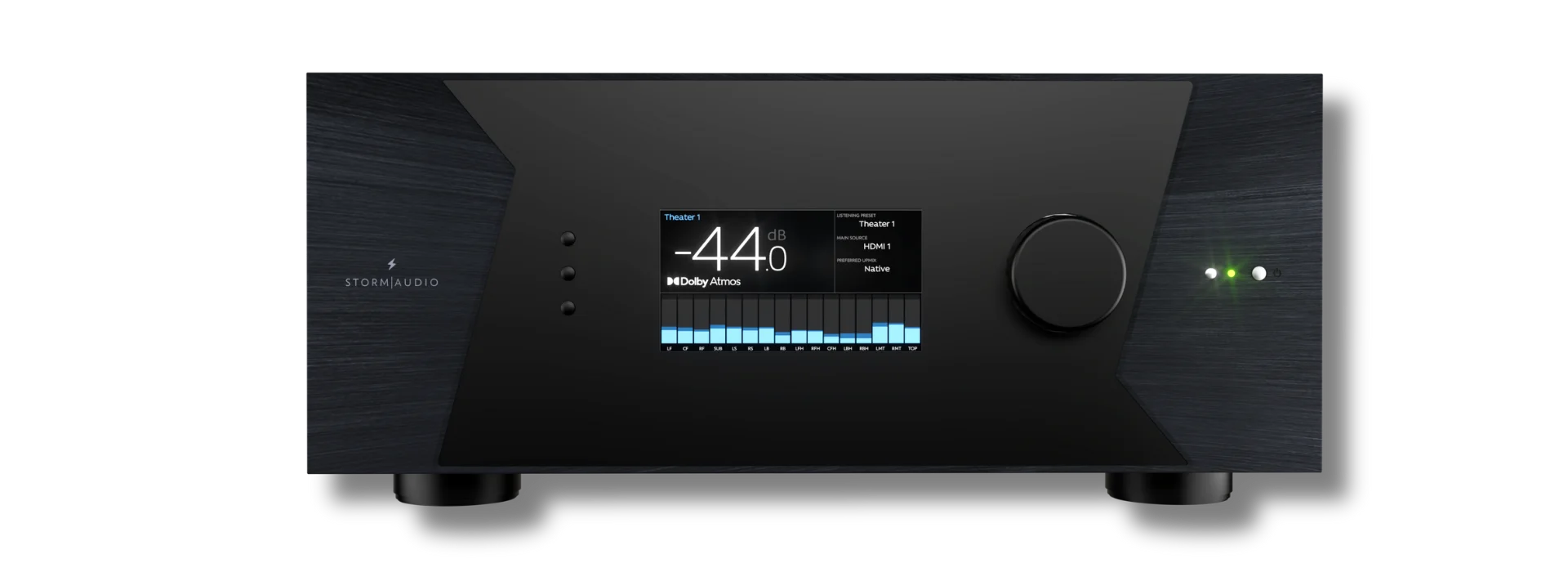
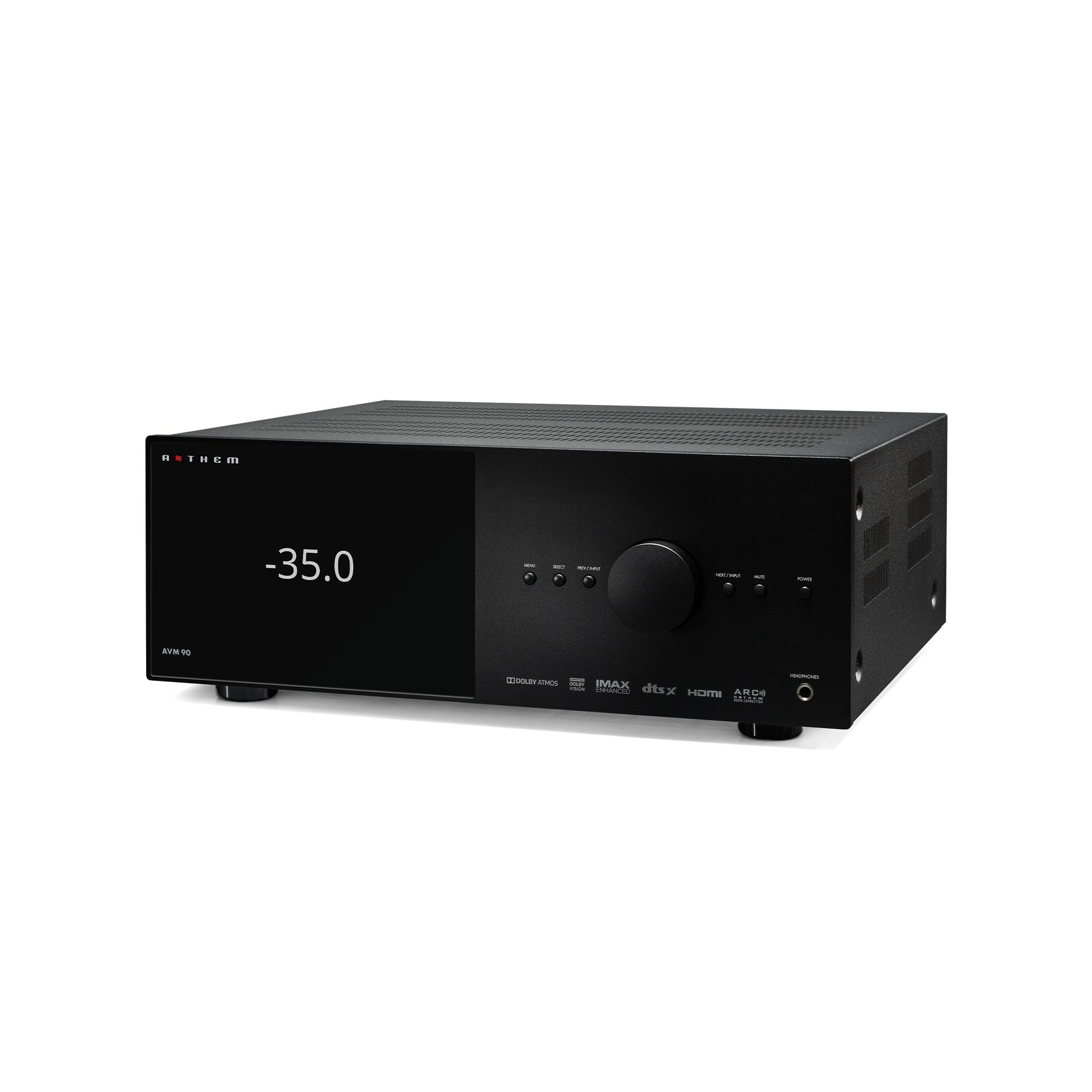
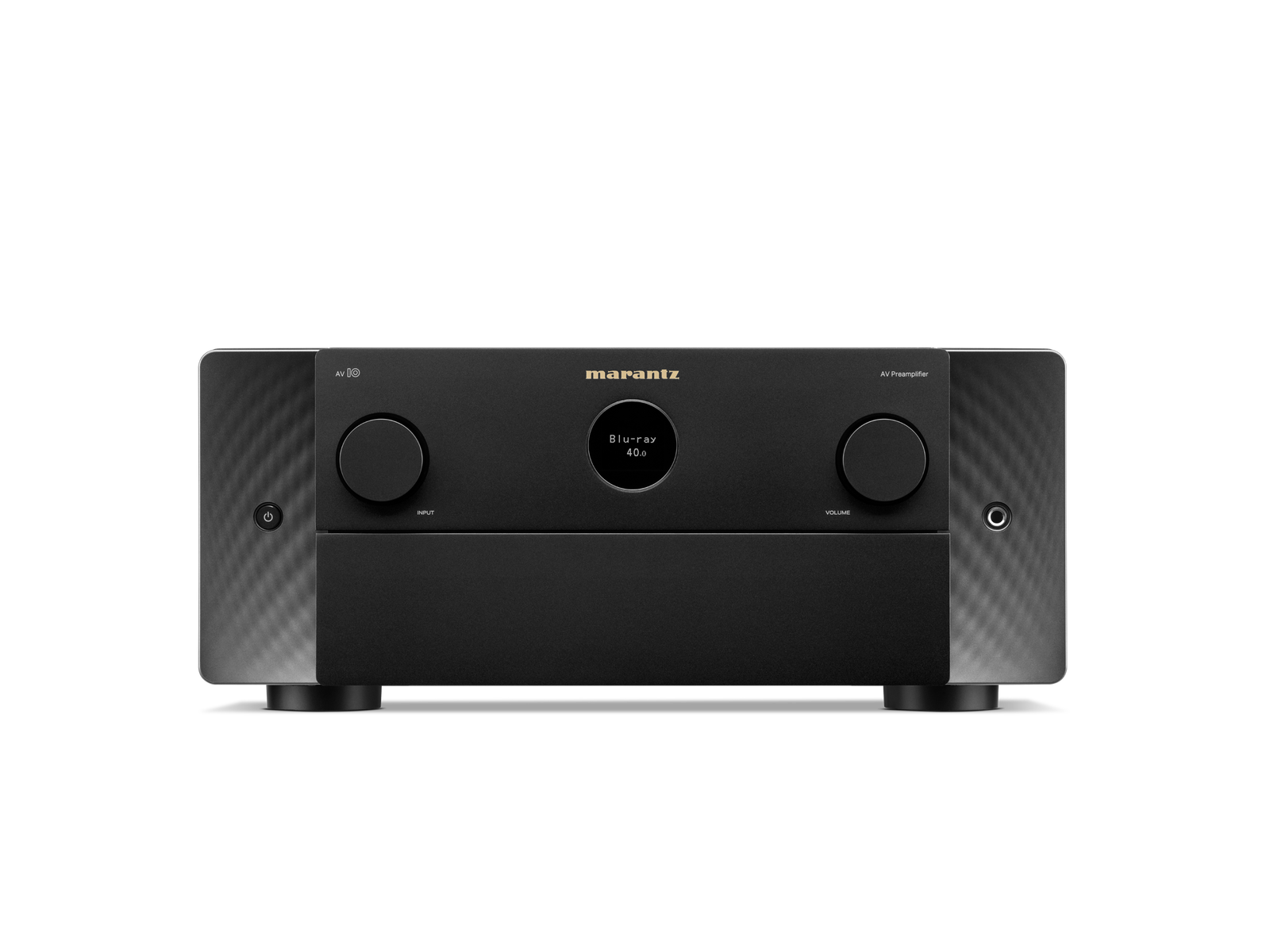
Compare the analog-first platforms before considering AoIP features you may never use.
Look at independent outputs, bass-management topology and calibration tools before headline channel count.
Processing scale, output topology and future expansion become more important than small differences in DAC specifications.
Compare AES/EBU, Dante/AES67 and downstream amplifier compatibility as one signal path.
There is rarely a universal winner.
A 32-channel processor is not automatically better for a 7.4.4 room, and a network-audio platform is not automatically better than balanced XLR. Processor comparisons should be tied to a system design.
Our comparison pages therefore focus on the decision points that change the room rather than creating generic feature-score rankings.